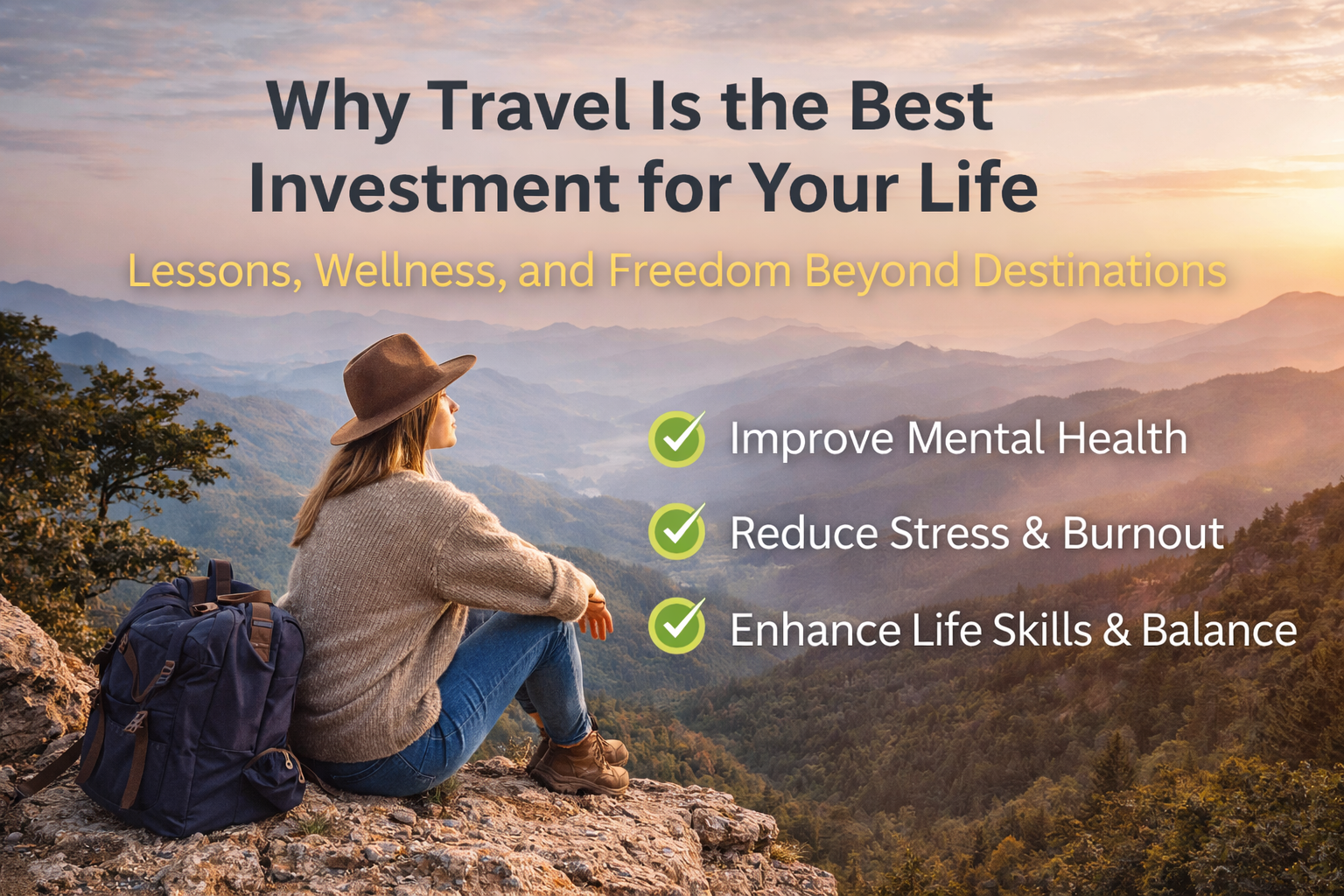
Why Travel Is the Best Investment for Your Life: Lessons, Wellness, and Freedom Beyond Destinations
Introduction: Travel in the Age of Burnout and Busy Lives
Modern professional life in the UK, US, and Europe is increasingly defined by deadlines, screens, sedentary routines, and constant mental pressure. While careers are progressing, mental well-being is often declining. Burnout, anxiety, poor posture, and lack of personal time have become common challenges.
In this context, travel has evolved beyond leisure. It is now viewed as a powerful lifestyle reset—one that improves mental health, restores balance, and builds life skills that no productivity app can replace.
Travel, when planned mindfully, becomes an investment in wellness, clarity, and long-term happiness.
How Travel Improves Mental Health and Emotional Well-Being
Changing your environment has a direct impact on how your mind functions. New surroundings interrupt repetitive thought patterns and help the brain shift out of stress mode. Even short trips can bring emotional relief and renewed perspective.
Travel allows the mind to slow down, observe, and reconnect with the present moment—something many professionals struggle to do in daily life.
Mental health benefits of travel:
Reduces anxiety and overthinking
Improves mood and emotional stability
Enhances creativity and mental clarity
Encourages mindfulness and presence
This is why travel is increasingly recommended as a complementary tool for mental health improvement.
Travel as a Natural Stress Management Technique
Stress builds when the body and mind remain in the same high-pressure environment for too long. Travel breaks this cycle naturally—without medication or complex routines.
Being in nature, walking more, and disconnecting from constant notifications helps regulate the nervous system and lower cortisol levels.
Why travel works for stress relief:
Physical distance from work pressure
Exposure to fresh air and natural light
Reduced screen time (digital detox)
Better sleep and recovery
For many professionals, travel becomes one of the most effective stress management techniques available.
Travel Teaches Work-Life Balance Better Than Any Guide
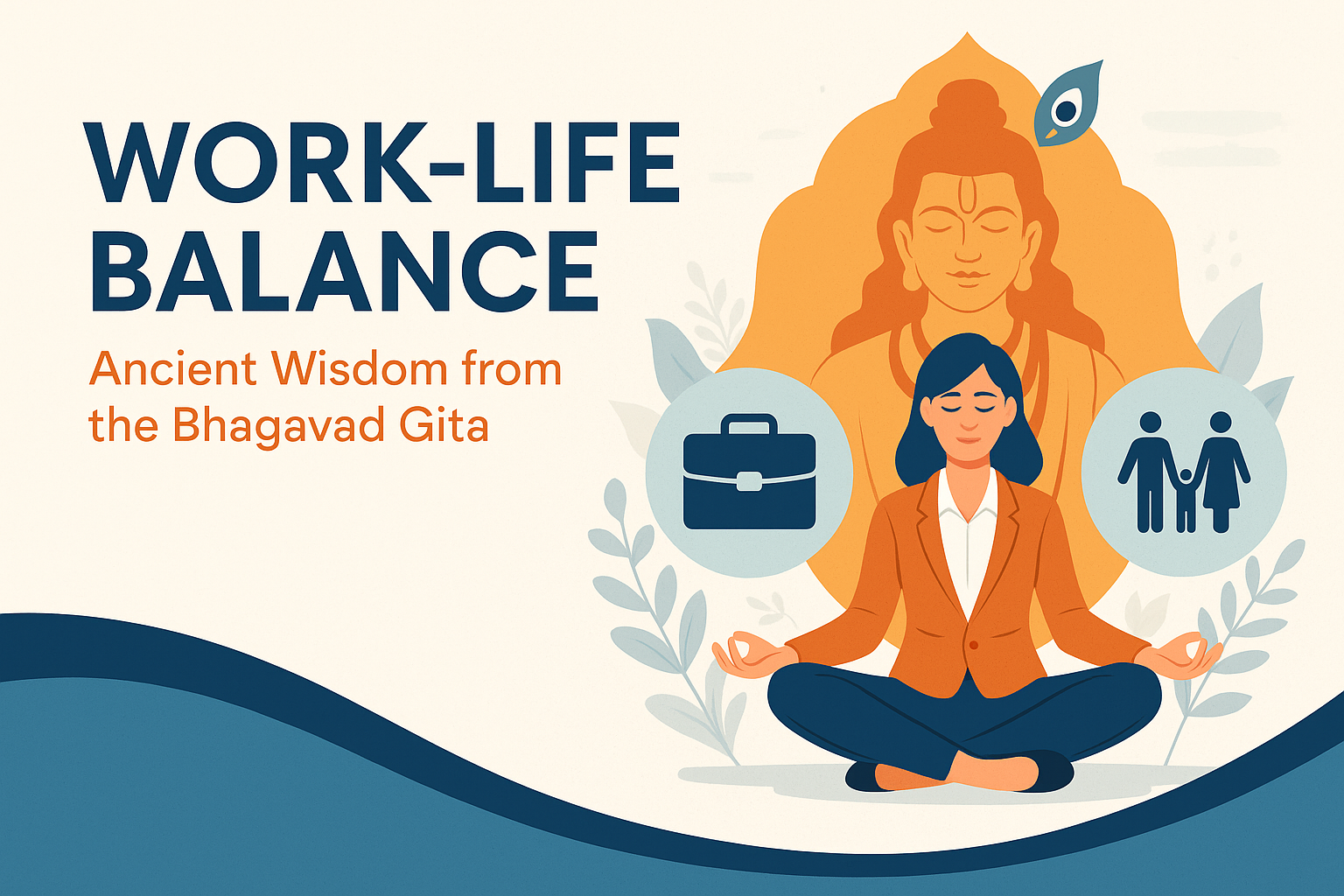
Work-life balance is often discussed but rarely practiced. Travel teaches it organically. When you travel, you are forced to slow down, prioritize experiences, and respect personal limits.
These lessons often continue even after returning home, influencing how people manage work, rest, and relationships.
Lessons travel teaches about balance:
Work is important, but rest is essential
Productivity improves with proper breaks
Time is more valuable than constant output
Presence creates deeper satisfaction
Travel quietly rewires unhealthy work habits.
Travel Builds Confidence, Adaptability, and Life Skills
Every journey brings uncertainty—new places, cultures, and situations. Navigating them builds inner strength and confidence that translates directly into professional and personal growth.
Travel challenges comfort zones and rewards adaptability.
Life skills developed through travel:
Decision-making under uncertainty
Better communication and social skills
Problem-solving in unfamiliar situations
Emotional resilience and patience
These skills are highly valuable in leadership, entrepreneurship, and remote work environments.
Wellness Travel: A Growing Global Trend
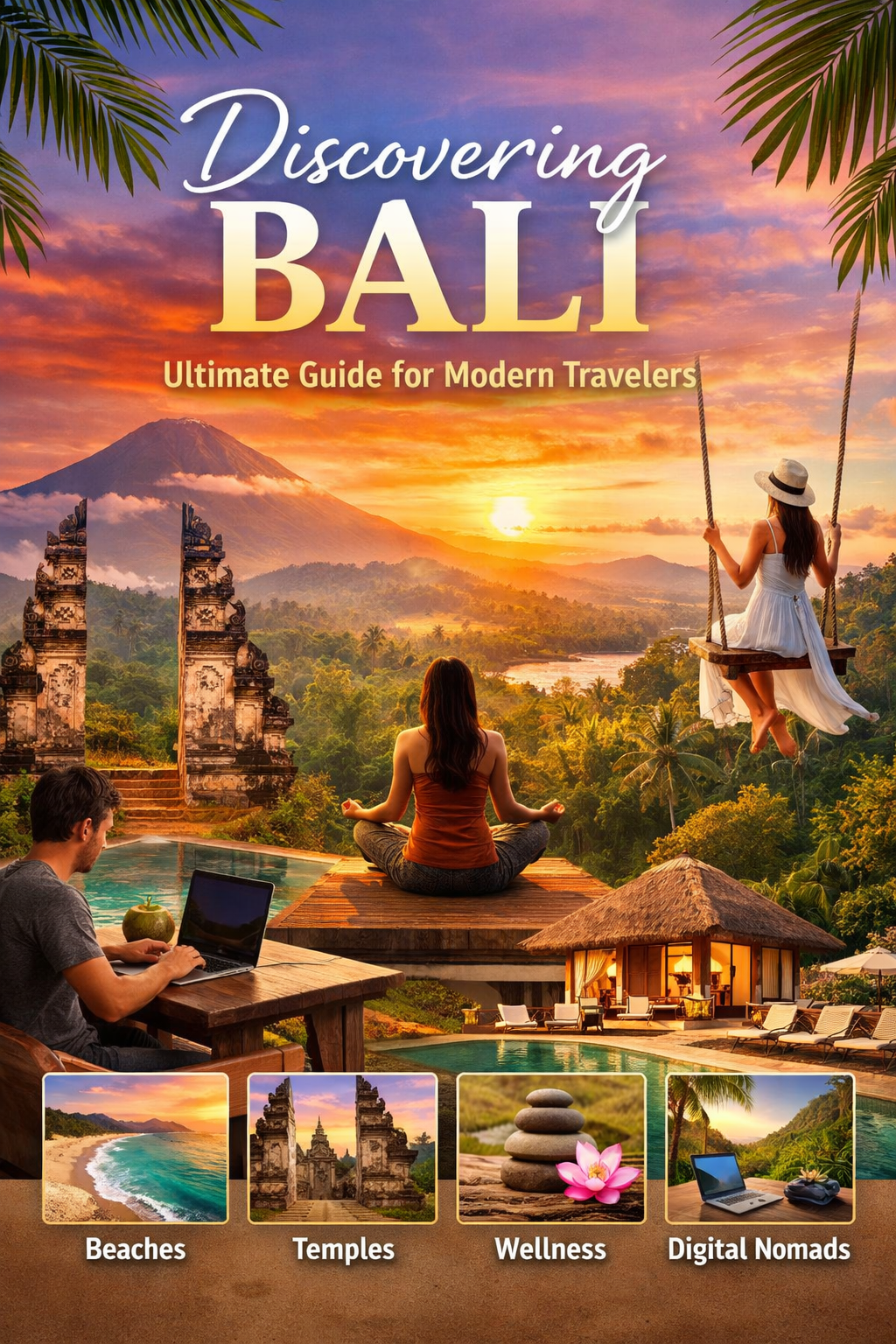
Wellness-focused travel is one of the fastest-growing segments in the travel industry. Travelers are no longer chasing packed itineraries—they are seeking calm, restoration, and meaningful experiences.
Wellness travel combines relaxation with self-care, making trips both enjoyable and transformative.
Popular wellness travel experiences:
Nature retreats and eco-lodges
Yoga and meditation holidays
Mountain, forest, and coastal escapes
Digital detox and slow travel experiences
This trend reflects a shift toward health-conscious and mindful living.
Travel for Remote Workers and Digital Nomads
Remote work has changed how people travel. Trips are no longer limited to weekends or holidays—many professionals now work while exploring new destinations.
Travel offers remote workers a better quality of life when planned wisely.
Why travel suits remote professionals:
Flexible schedules and location independence
Exposure to global cultures
Improved creativity and motivation
Better mental well-being
Destinations that offer reliable internet, calm environments, and affordable stays are especially attractive to digital nomads.
Financial Perspective: Travel as a Smart Life Investment
Travel may seem like an expense, but its long-term returns are often greater than material purchases. Experiences improve mental health, productivity, and life satisfaction—reducing burnout-related costs.
With smart planning, travel can be both affordable and rewarding.
Ways travelers manage costs wisely:
Using travel insurance for safety
Choosing budget-friendly accommodations
Planning off-season trips
Using travel rewards and credit cards
Travel, when planned thoughtfully, becomes a high-value personal investment.
Sustainable and Responsible Travel Matters
Modern travelers are increasingly conscious of their environmental and social impact. Responsible travel protects destinations and supports local communities.
Sustainable travel practices:
Choosing eco-friendly stays
Supporting local businesses
Minimizing plastic use
Respecting local cultures and traditions
Responsible travel ensures long-term benefits for both travelers and destinations.
Conclusion: Travel Is More Than Movement—It’s Transformation
Travel is not just about visiting new places—it’s about becoming a better version of yourself.
It teaches:
Balance over burnout
Experience over excess
Presence over pressure
Growth over routine
Whether for wellness, work, or exploration, travel reshapes how we live, think, and connect with the world.
Travel mindfully, and every journey becomes a lesson for life.